


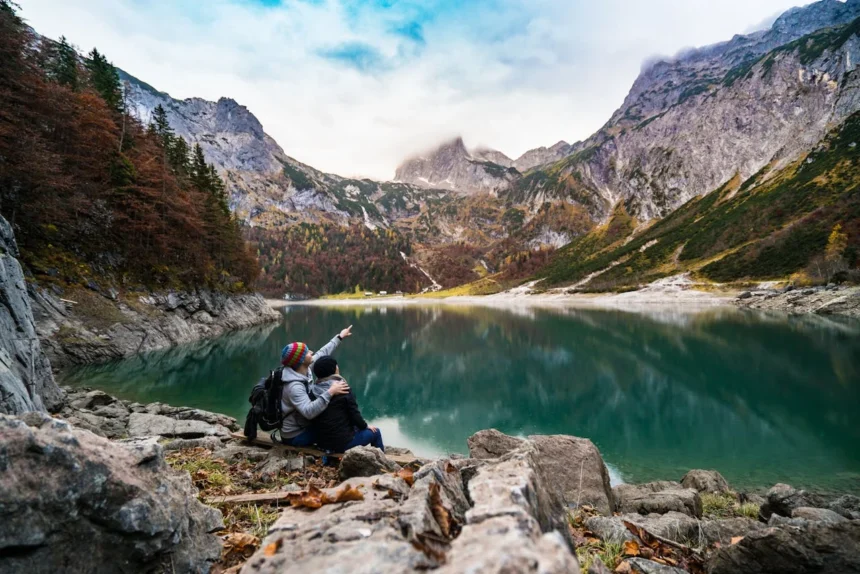
Imagine stepping into a postcard where crystal-clear lake waters lap against pastel-colored houses, all framed by jagged Alpine peaks dusted with snow. That’s Hallstatt, Austria, for you a UNESCO World Heritage site that’s been enchanting visitors for centuries. Nestled in the Salzkammergut region, this tiny village of just 800 residents offers a perfect blend of history, nature, and old-world charm. Whether you’re a history buff, an outdoor enthusiast, or simply seeking Instagram-worthy scenery, this Hallstatt Austria travel guide will equip you with everything needed for an unforgettable trip.
As one of Europe’s most picturesque destinations, Hallstatt draws over a million visitors annually, yet it retains an intimate feel when explored mindfully. Its fame exploded thanks to social media, but beyond the crowds lies a rich tapestry of 7,000-year-old salt mining heritage and serene hiking trails. In this comprehensive Hallstatt Austria travel guide, we’ll dive deep into planning your visit, from the best times to go to hidden gems that make it truly special.
Why Hallstatt Should Top Your Austria Bucket List
Hallstatt’s allure lies in its unique position as the world’s oldest salt mining settlement, a fact that dates back to the Neolithic era. Archaeological digs here uncovered the earliest evidence of organized salt production, earning it UNESCO status in 1997 for both its cultural landscape and natural beauty. The village hugs the shores of Lake Hallstatt, with the Dachstein mountains rising dramatically behind, creating a scene so idyllic it inspired Disney’s Frozen.
What sets Hallstatt apart from other Austrian gems like Salzburg or Innsbruck is its compact scale everything is walkable, fostering a sense of discovery around every corner. Families love the calm lake for gentle boat rides, while adventurers tackle nearby trails. In 2026, with sustainable tourism initiatives ramping up, expect eco-friendly upgrades like expanded electric ferry services and better crowd management. This Hallstatt Austria travel guide highlights why it’s ideal for US travelers seeking authentic Europe without the urban hustle.
The village’s microclimate also plays a role, offering mild summers and snowy winters that transform it into a fairy-tale wonderland. Recent visitor stats show a shift toward shoulder-season travel, making it easier to experience the real Hallstatt minus the tour buses.
Getting to Hallstatt: Seamless Journeys from Major Hubs
Reaching Hallstatt is straightforward, especially from Vienna or Salzburg, both under three hours away by train. ÖBB trains from Salzburg’s main station drop you at Hallstatt station across the lake, followed by a five-minute ferry ride that’s as scenic as it gets watch the village’s lights flicker on at dusk. For those flying into Salzburg Airport (SZG), it’s a 1.5-hour drive via the A10 motorway, but note that the old town is largely car-free.
Driving enthusiasts should head to the P1 or P2 parking lots on the village’s edge (around €10-15 per day), then ferry in. Public buses from Bad Ischl connect well too. In this Hallstatt Austria travel guide, we recommend the train-ferry combo for its charm and lower stress no navigating narrow mountain roads. From Munich, it’s a scenic 2.5-hour drive, perfect for road trippers exploring Bavaria and Austria.
Pro tip: Book ferries via the official Hallstatt.net app, especially in peak season, and consider the Salzkammergut regional pass for unlimited transport perks.
Best Time to Visit Hallstatt for Perfect Weather and Fewer Crowds
Timing is everything in Hallstatt. Summer (June-August) bursts with wildflowers and lake swims, but overtourism peaks, with up to 30 tour buses daily clogging the single main street. Opt for spring (April-May) or fall (September-October) instead milder 50-65°F temps, vibrant foliage, and 70% fewer visitors mean peaceful strolls.
Winter shines from December to March, when snow carpets the rooftops and the lake freezes for rare ice-skating. The Christmas market on December 8 is a one-day delight of mulled wine and crafts. Avoid January’s short days if you’re light-sensitive. This Hallstatt Austria travel guide advises checking webcams on Hallstatt.net for real-time conditions, as mountain weather shifts fast.
In 2026, new regulations cap daily visitors, prioritizing overnight stays book ahead for that authentic vibe.
Unmissable Attractions in the Heart of Hallstatt
Begin your adventure at Marktplatz, the vibrant central square where 16th-century facades house cafes serving apple strudel and Kaiserschmarrn. The Evangelical Church’s spire dominates, offering climbs for lake panoramas. Nearby, the Catholic Church’s Bone House (Michaelskirche Beinhaus) fascinates with over 1,200 painted skulls a custom born from 12th-century space shortages, each adorned with floral motifs and names.
No Hallstatt Austria travel guide is complete without the Salzwelten salt mine. A funicular whisks you up for a 90-minute tour: slide down miner chutes, boat across an underground lake, and learn how white gold fueled ancient trade. Tickets run €40/adult, with family discounts.
For views that stop hearts, ride the Salzberg funicular to the Skywalk a glass platform 360m above the lake. Pair it with the Rudolfsturm Tower cafe for coffee with eagles-eye vistas.
Outdoor Escapes and Adventure Around Hallstatt
Hallstatt’s trails beckon all levels. The easy 2-hour Soleleitungsweg (Brine Trail) follows historic salt pipes to Waldbachstrub Waterfall, where 80m cascades roar through mossy cliffs. Ambitious hikers ascend to the 5 Fingers viewpoint via Krippenstein cable car, revealing glaciers and valleys.
Kayak or e-boat rentals (€20/hour) on Lake Hallstatt capture mirror-like reflections at dawn. Paragliding tandem flights (€100) soar over the Dachstein ice caves, open May-September for spelunking tours. Families enjoy the Obertraun ropes course nearby.
This Hallstatt Austria travel guide urges downloading the Komoot app for GPX trail maps signal can falter in gorges.
Where to Stay: Cozy Inns with Lake Magic
Overnighting unlocks Hallstatt’s soul. Heritage Hotel Hallstatt occupies a 450-year-old building with lake-view rooms from €200/night. For budget charm, Pension Hallberg offers balconies and breakfasts at €120. Lakeside Seehotel Grüner Baum blends spa facilities with gourmet dining.
Camping? Lahn Camping provides pitches amid orchards. Book six months ahead for summer; aim for Marktplatz proximity to wander post-dusk.
Culinary Highlights: Savoring Salzkammergut Flavors
Hallstatt’s food scene emphasizes lake-fresh trout, alpine cheeses, and salt-infused specialties. Gasthaus zum Salzbergwerk grills phenomenal schnitzel with views. Bakery Zauner ships strudels stateside grab one lakeside.
Try Goschäueralm for hut hikes ending in Kaiserschmarrn feasts. Vegetarians love herb gnocchi at Restaurant Bräugasthof. Beer? Local Stiegl flows freely. Budget €30-50/meal; picnic with Emmentaler and rye bread for trails.
Insider Tips and Practical Advice for 2026 Travelers
Pack layers, sturdy shoes, and rain gear Dachstein showers surprise. Download offline maps; Wi-Fi is spotty. The Hallstatt Card saves 25% on attractions. US visitors note: adapters are Type C/F, and English is widely spoken.
Cash is king for ferries; ATMs abound. Respect quiet hours (10pm-7am). For day trips, pair with Bad Goisern or Gosau. Sustainable travel: skip single-use plastics, stick to paths.
In this ultimate Hallstatt Austria travel guide, we’ve covered the essentials for a magical visit. From salt mines to skywalks, Hallstatt weaves history and nature into pure joy. Start planning your Alpine dream awaits.