

Energy and Tech in Evolution
In the evolving world of energy and tech innovation, companies often restructure or spin off divisions to sharpen their focus and drive growth. One question that surfaces among business analysts and industry watchers is whether Metamorph Technologies operates as a division under the umbrella of Metamorph Energy. This exploration dives into their relationship, drawing from public records and corporate announcements to clarify the connection for leaders navigating similar partnerships.
Profiles of Two Powerhouses
Metamorph Energy has built a reputation as a forward-thinking player in sustainable energy solutions, with ventures spanning renewable projects and advanced infrastructure. Meanwhile, Metamorph Technologies specializes in cutting-edge software and data analytics tailored for the energy sector. At first glance, their overlapping domains suggest a close tie, perhaps a parent-subsidiary dynamic where technologies fuels the parent’s ambitions. Corporate filings reveal that Metamorph Technologies emerged from Metamorph Energy’s innovation arm around five years ago, initially functioning as an internal unit dedicated to digitizing energy operations.
The Birth of a Tech Arm
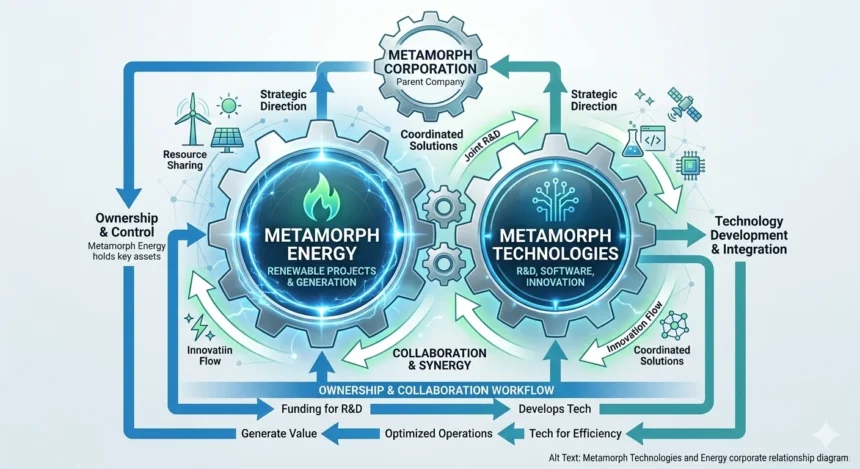
The shift began when Metamorph Energy recognized the need for proprietary tech to optimize its grid management and predictive modeling. What started as in-house development matured into a semi-autonomous entity, complete with its own leadership and funding streams. Public statements from Metamorph Energy’s annual reports highlight this evolution, noting investments in tech capabilities without labeling it a formal division. Instead, Technologies operates with strategic alignment, sharing board members and collaborative R&D pipelines that benefit both. This setup mirrors how many energy firms incubate tech units to stay competitive amid digital transformation.
Legal Ties and Independence
Delving deeper, legal documents from business registries list Metamorph Technologies as a separate legal entity, wholly owned by Metamorph Energy. This structure grants operational independence while ensuring oversight on key decisions like budgeting and IP rights. For instance, joint press releases on AI-driven energy forecasting bear both names, underscoring a symbiotic bond rather than a rigid divisional hierarchy. Industry observers point to this as a deliberate choice, allowing Technologies to attract specialized talent and venture capital without the full weight of Energy’s broader portfolio.
Financial Interconnections
Financial disclosures further illuminate the arrangement. Metamorph Energy’s balance sheets include line items for tech subsidiary performance, reporting revenues from software licensing that Technologies generates. Yet, Technologies files its own tax returns and pursues independent contracts, distinguishing it from a traditional division that would fold entirely into the parent’s operations. This hybrid model offers flexibility, enabling rapid scaling in a market where energy tech demands agility. Leaders in similar fields can learn from this, balancing autonomy with group synergy to spur innovation.
Shared Leadership Dynamics
One telling sign of their interconnectedness lies in shared leadership. The CEO of Metamorph Technologies reports directly to Energy’s executive team, and cross-pollination of expertise occurs through regular strategy sessions. Historical timelines show Technologies launching flagship products, like real-time asset monitoring tools, that directly support Energy’s renewable deployments. Without this tech backbone, Energy’s efficiency gains would lag, proving the practical value of their linkage even if not strictly divisional.
Navigating Relationship Challenges
Challenges in such relationships are not uncommon. Observers have noted occasional tensions over resource allocation, with Technologies pushing for more aggressive growth funding. Metamorph Energy addresses this through equity stakes and performance incentives, fostering alignment. Compared to outright divestitures seen in other firms, this approach preserves value while mitigating risks like knowledge silos. For business strategists, it exemplifies how energy giants adapt to tech disruption without fracturing their core.
Future Integration Outlook
Looking ahead, the trajectory suggests deepening integration. Recent initiatives, such as co-developed blockchain solutions for energy trading, hint at Technologies evolving into an even more pivotal arm. If formal divisional status ever materializes, it would likely stem from regulatory shifts or market consolidation. Until then, their current framework delivers results, blending independence with shared vision.
Strategic Lessons Learned
In summary, Metamorph Technologies functions as a strategic extension of Metamorph Energy—closely held and operationally intertwined, yet distinct enough to thrive on its own merits. This nuanced relationship offers valuable lessons for companies pondering internal ventures versus full spin-offs. By prioritizing collaboration over rigid structures, both entities position themselves for sustained success in a competitive landscape.
Ready to explore more on corporate structures and auditing insights? Check our guide on advanced business continuity audits for related strategies.