


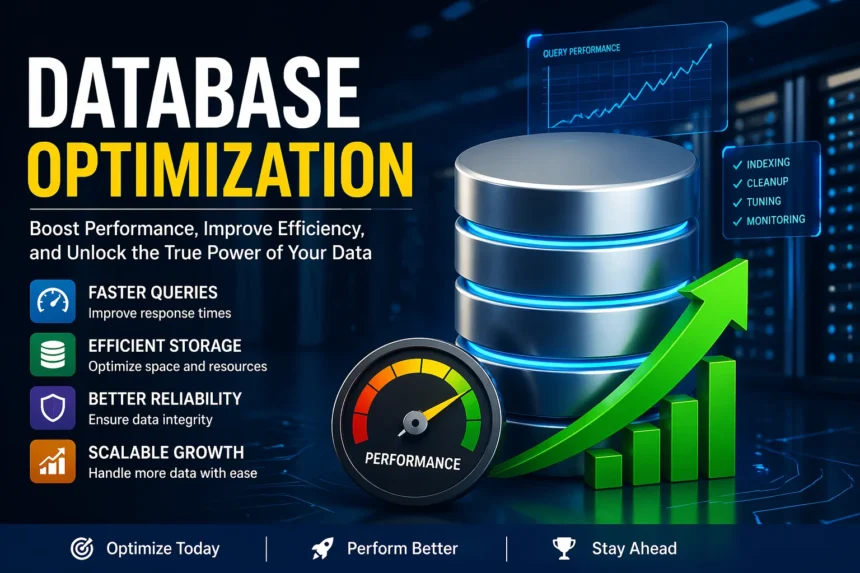
What is Database Optimization?
In today’s fast-paced digital world, the performance and efficiency of databases play a pivotal role in maintaining smooth business operations. Database optimization refers to the process of adjusting and fine-tuning a database to achieve the highest level of performance possible. This includes improving the speed of data retrieval, reducing load times, and enhancing system resources. Effective database optimization can significantly increase the performance of an application or website.
Why is Database Optimization Important?
A slow database can severely impact user experience, operational efficiency, and business productivity. For example, a delay in accessing critical data can frustrate users, reduce website rankings (due to slower load times), and even cause downtime. Therefore, understanding and applying effective optimization strategies can make a huge difference.
Types of Database Optimization
Database optimization can be broken down into several types based on the different areas of focus. Let’s explore each of these.
Query Optimization
Query optimization refers to making database queries more efficient to reduce resource consumption and speed up the response time. A poorly written query can lead to unnecessary processing, which results in slower performance. Key factors in query optimization include:
- Avoiding SELECT * (selecting only necessary columns).
- Using proper JOINs rather than multiple queries.
- Minimizing the use of subqueries.
Optimizing queries typically leads to reduced disk I/O and better CPU usage, which ultimately improves the database performance.
Index Optimization
Indexes are crucial for database performance because they speed up data retrieval operations. Proper index management can drastically reduce query execution time. Index optimization involves choosing the right columns to index and managing index storage efficiently. Some tips include:
- Index frequently searched columns.
- Avoid excessive indexing, as too many indexes can slow down write operations.
- Consider composite indexes when querying multiple columns.
Proper index design ensures that the database doesn’t waste resources scanning entire tables for data.
Schema Optimization
Database schema optimization involves ensuring that the structure of the database is designed for efficiency. This includes:
- Normalization to reduce redundancy.
- Denormalization for better query performance (when appropriate).
- Using proper data types and constraints.
By organizing the schema correctly, it ensures that both queries and updates run efficiently.
Best Practices for Database Optimization
Implementing the right practices is key to long-term database optimization. Below are some industry-proven methods that every database administrator should apply.
Optimizing SQL Queries
Writing efficient SQL queries is one of the most effective ways to optimize a database. Here are some tips:
- Use LIMIT: Avoid retrieving more rows than needed by using
LIMITto restrict the number of results returned. - Avoid Subqueries: Subqueries are less efficient compared to JOIN operations, especially in large datasets.
- Optimize JOINs: Use inner JOINs instead of outer JOINs unless absolutely necessary.
Efficient Indexing Techniques
When you index a column, the database creates a structure that allows it to quickly find specific rows in a table. However, creating too many indexes can degrade performance due to the extra overhead during inserts, updates, and deletes. It’s essential to balance the number of indexes you create.
- Use unique indexes for columns with unique values.
- Index foreign keys to speed up joins between tables.
- Consider partial indexing when only certain rows of a table are frequently queried.
Database Caching
Caching is another powerful tool in optimizing database performance. By caching query results, database resources are freed up, which significantly reduces query times for frequently requested data. Several methods to implement caching include:
- Application-level caching: Cache database results within the application itself.
- Database caching: Some databases come with built-in caching features that store query results.
Normalization and Denormalization
Database normalization is the process of organizing the data to avoid redundancy and dependency. On the other hand, denormalization involves merging tables for faster access when complex queries are required.
- Normalization helps in maintaining data integrity.
- Denormalization improves read performance in specific scenarios, like when joins become too costly.
Database Partitioning
Partitioning involves breaking up a large database table into smaller, more manageable pieces. This can reduce the amount of data scanned during a query, speeding up operations. There are several partitioning strategies:
- Range partitioning: Partition based on a range of values (e.g., date ranges).
- Hash partitioning: Use a hash function to distribute data evenly across partitions.
- List partitioning: Partition based on predefined lists of values.
Tools for Database Optimization
Several tools can help monitor, analyze, and optimize database performance. Let’s look at a few of the most popular ones.
Popular Database Optimization Tools
- MySQL Workbench: A powerful tool for MySQL databases that helps in query optimization, performance monitoring, and schema design.
- pgAdmin: A comprehensive management tool for PostgreSQL that offers query optimization, execution plan analysis, and performance tuning.
- SQL Server Management Studio (SSMS): A tool for managing SQL Server databases, including query optimization, performance tuning, and index management.
- Oracle SQL Developer: Used for Oracle database performance analysis, query optimization, and diagnostics.
How to Use Each Tool
Each of these tools offers features for database optimization, such as:
- Query execution plans: Analyzing how SQL queries are executed helps identify bottlenecks.
- Index management: Creating, modifying, and dropping indexes as needed.
- Database profiling: Monitoring the resource usage of queries and identifying high-cost operations.
Common Pitfalls in Database Optimization
While database optimization offers substantial performance benefits, there are common mistakes that even seasoned professionals can make.
Over-Indexing
One common mistake is creating too many indexes. While indexes speed up reads, they can slow down writes and increase storage usage. Be sure to only create indexes for columns that are frequently queried.
Poor Query Design
Writing inefficient queries, such as using SELECT *, unnecessary subqueries, or non-indexed joins, can severely hinder performance.
Misunderstanding Schema Design
While normalization helps reduce data redundancy, overly normalized schemas can lead to too many joins and slow performance. It’s important to find the right balance.
Case Study: Database Optimization in Action
Let’s consider a case where optimizing a database resulted in significant improvements.
Background
A large e-commerce company had a slow database, which caused delays in processing customer orders. The database was running on MySQL and was queried frequently for user data, product information, and orders.
Optimization Process
- Query Optimization: By rewriting complex queries and removing subqueries, they reduced the time taken to retrieve order information by 40%.
- Index Optimization: They created indexes on the most frequently queried columns, such as
user_idandproduct_id. - Schema Optimization: By denormalizing the order table, they removed the need for multiple joins, speeding up query times.
Results
After implementing these changes, the database performance improved by 50%, significantly reducing order processing times and improving overall user experience.
Conclusion: Key Takeaways
Database optimization is an ongoing process that requires attention to detail and continual monitoring. By optimizing queries, indexing effectively, partitioning data, and using proper caching strategies, you can ensure that your database is performing at its best.
Remember that database optimization isn’t a one-size-fits-all process. It requires an understanding of your data, queries, and workload to make informed decisions.
Here are the key takeaways:
- Query Optimization: Write efficient SQL queries to reduce load times and improve response speed.
- Indexing: Balance the number of indexes to avoid performance degradation.
- Schema Design: Normalize when necessary, but also consider denormalization for performance.
- Use Tools: Leverage available database optimization tools for monitoring and diagnostics.
- Avoid Common Pitfalls: Don’t over-index, don’t rely on inefficient queries, and understand when to denormalize.
By applying these techniques, businesses can reduce database costs, improve user experience, and keep their systems running efficiently.
Additional Resources
For those looking to dive deeper into database optimization, consider the following resources:
- MySQL Documentation on Indexing: Official guides on indexing techniques, best practices, and common pitfalls.
- PostgreSQL Query Performance Optimization: Detailed insights into optimizing PostgreSQL queries for faster performance.
- Oracle Performance Tuning: Guides for tuning Oracle databases, with a focus on real-world scenarios and case studies.
Case Study Recap: Database Optimization in Action
As we mentioned earlier, let’s revisit the case study of the e-commerce company that significantly boosted its performance. By optimizing SQL queries, reducing redundant data, and fine-tuning the schema, they achieved an impressive 50% improvement in database performance.
This example clearly shows the value of applying database optimization strategies to real-world systems. Performance improvements lead to faster response times, which in turn results in better user experience and, ultimately, higher conversion rates.
Final Thoughts on Effective Database Optimization
In conclusion, effective database optimization is essential for any growing business that relies on data-driven applications. Implementing the right strategies, such as optimizing queries, indexing effectively, and leveraging caching, can significantly improve your database’s efficiency. But remember, every database is unique, so it’s important to tailor optimization strategies to the specific needs of your application.
Database optimization is an ongoing process that requires regular maintenance and monitoring to ensure continued performance. By staying proactive and using the right tools and techniques, you can ensure that your database remains fast, responsive, and reliable for years to come.
Start Optimizing Your Database Today
If you’ve been noticing slow performance in your database, it might be time to take action. Start by analyzing your queries, reviewing your indexing strategy, and considering the use of caching tools. If you’re unsure where to start, reach out to a database expert who can help you assess your current setup and implement the best optimization strategies tailored to your needs.
Frequently Asked Questions (FAQs) on Database Optimization
What is database optimization?
Database optimization refers to the process of improving the performance and efficiency of a database system. It involves making changes to the database structure, query execution, indexing, and overall design to reduce resource consumption, speed up data retrieval, and enhance user experience.
Why is database optimization important?
Database optimization is essential because a slow-performing database can significantly affect application performance, user experience, and even business operations. Optimizing your database ensures faster response times, better scalability, and more efficient resource utilization.
What are the types of database optimization?
The primary types of database optimization include:
- Query optimization: Improving the efficiency of SQL queries.
- Index optimization: Enhancing database index management to speed up data retrieval.
- Schema optimization: Structuring the database schema to ensure efficient data access and storage.
How can I optimize SQL queries?
To optimize SQL queries:
- Avoid using
SELECT *, as it retrieves unnecessary columns. - Use proper indexing for frequently queried columns.
- Minimize the use of subqueries and consider JOIN operations instead.
- Use
LIMITto fetch only the required number of rows.
How important are indexes in database optimization?
Indexes are critical for improving database query performance by allowing quick lookups of specific rows. However, it’s important to manage them efficiently—too many indexes can slow down write operations like INSERT, UPDATE, and DELETE. Carefully choose which columns to index based on query patterns.
What is the role of database caching in optimization?
Database caching stores frequently accessed data in memory, reducing the need for repeated database queries. This improves performance by decreasing the load on the database and speeding up data retrieval.
How does database normalization affect performance?
Normalization reduces data redundancy and ensures data integrity by organizing it into smaller tables. While it helps maintain consistency, it can lead to performance issues due to excessive joins. In some cases, denormalization may be used to optimize read-heavy applications by merging tables for faster access.
What tools can help with database optimization?
Some popular database optimization tools include:
- MySQL Workbench (for MySQL databases)
- pgAdmin (for PostgreSQL databases)
- SQL Server Management Studio (SSMS) (for SQL Server databases)
- Oracle SQL Developer (for Oracle databases)
These tools provide features like query execution plans, index management, and performance monitoring.
Can database optimization impact website SEO?
Yes, optimizing your database can improve the load times of your website, which is a ranking factor for search engines like Google. A faster, more efficient database ensures that your website runs smoothly and delivers a better user experience, which can contribute to better SEO performance.
How often should I optimize my database?
Database optimization is not a one-time task. Regular maintenance is necessary to ensure optimal performance, especially as data grows or application usage increases. Schedule periodic reviews, particularly after significant changes like adding new features or increasing user load.
Disclaimer
The information provided in this blog post is for general informational purposes only. While the tips and techniques discussed are widely used and considered best practices for database optimization, every database system is unique. Results may vary depending on the specific setup, infrastructure, and use case.
We recommend consulting with a professional database administrator or IT expert before making significant changes to your database to ensure optimal performance and avoid unintended consequences.
The author and website are not responsible for any damages or performance issues resulting from the application of the strategies or techniques described herein.