


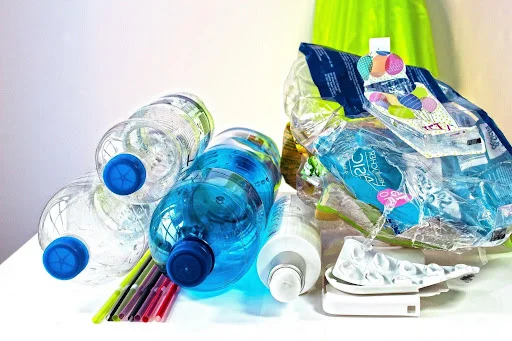
Plastic waste continues to grow across many industries. Thin plastic films are one of the hardest materials to recycle. They are light, flexible, and often contaminated. This makes recovery more complex than rigid plastics.
New systems are now improving how these materials are handled. Businesses are looking for better ways to cut waste and improve output.
This article covers key ideas in cleaning and reprocessing plastic films and leads into the core systems below.
Understanding the Nature of Plastic Film Waste
Plastic films come from packaging, agriculture, and retail use. They often carry dirt, labels, and food residue. This makes them harder to process than clean plastic. Their thin structure also causes tangling in machines.
Moisture and oils can affect processing quality. Sorting becomes the first major challenge. Knowing the type of film helps improve results. Clear identification leads to better cleaning outcomes.
Importance of Efficient Sorting Systems
Sorting is the first step before any cleaning begins. Mixed plastic types reduce final product quality. Optical sorting tools help separate materials faster. Manual sorting is still used for better accuracy.
Contaminants like paper and metal must be removed early. Clean input leads to better processing flow. This also reduces machine wear. A good sorting system saves time and cost.
Pre-Washing Techniques for Heavy Contaminants
Pre-washing removes large dirt and debris from films. Water sprays and rotating drums are often used. This step reduces the load on main washing systems. It also improves the lifespan of equipment.
Mud, sand, and labels are easier to remove early. Pre-washing can use recycled water to save cost. Proper drainage is needed to manage waste water. This stage prepares films for deeper cleaning.
Advanced Friction Washing Systems
Friction washers scrub films using high-speed rotation. This removes sticky dirt and oils. The process uses water and mechanical force together. It improves surface cleanliness of the plastic.
Films move through the system quickly. This helps maintain production flow. Consistent cleaning improves final output quality. It also prepares materials for drying stages.
Role of Hot Washing in Film Recycling
Hot washing uses heated water to break down grease and glue. It is useful for films with food residue. The heat softens stubborn contaminants. Detergents may be added for better results. This step improves odor control as well.
Clean films are easier to process later. Temperature control is important for safety. Proper handling ensures consistent results.
Efficient Water Management Systems
Water is used heavily in film cleaning processes. Recycling water reduces operating costs. Filtration systems remove dirt from used water. Clean water can be reused in earlier stages. This reduces environmental impact.
Proper treatment prevents system clogging. Water flow must be controlled carefully. Good management supports long-term efficiency.
Drying Technologies for Plastic Films
Drying removes moisture after the washing stages. Wet films cannot be processed properly. Centrifugal dryers spin out excess water. Thermal dryers use heat to finish the process.
Airflow systems also help reduce moisture levels. Dry material improves machine performance. It also reduces defects in final products. Proper drying ensures consistent output quality.
Integration of Automated Control Systems
Automation helps manage each stage of processing. Sensors track temperature, speed, and moisture levels. This allows better control of the system. Operators can adjust settings in real time.
Automation reduces human error. It also improves safety during operation. Data tracking helps improve long-term performance. Smart systems lead to better efficiency.
Reducing Material Loss During Processing
Material loss can happen during washing and transport. Fine particles may be washed away with waste. Efficient system design helps reduce this loss. Screens and filters capture usable material.
Proper handling keeps film intact. This improves overall recovery rates. Reducing loss also increases profit margins. Careful planning makes a big difference.
Importance of Consistent Output Quality
Clean films must meet quality standards for reuse. Residual dirt affects processing and end use. Consistency is key for manufacturers. Uniform cleaning leads to better product value.
Testing is often done to check cleanliness levels. Reliable systems ensure steady output. This builds trust with buyers. Quality control supports long-term operations.
Equipment Selection for Film Washing Lines
Choosing the right equipment is important for success. Systems must match the type of plastic film. Capacity should fit production needs. One example is using a PP PE film washing machine in a well-designed line.
This helps improve cleaning efficiency and consistency. Durable machines reduce maintenance issues. Proper layout also improves workflow. Good equipment supports long-term use.
Environmental Benefits of Film Recycling Systems
Recycling plastic films reduces landfill waste. It also cuts down on raw material use. Clean processing supports circular production systems. Energy use can be optimized with modern equipment.
Water recycling lowers environmental impact. Businesses can meet sustainability goals more easily. This also improves public perception. Efficient systems support responsible production.
Future Trends in Plastic Film Reprocessing
New technologies continue to improve recycling methods. AI is being used for better sorting accuracy. Energy-efficient machines are becoming more common. Water use is being reduced through better systems.
Flexible designs allow handling of mixed materials. Innovation focuses on speed and quality together. Companies are investing more in recycling solutions. The future of film reprocessing looks promising.
Enhancing Film Size Reduction Before Washing
Size reduction helps prepare plastic films for better cleaning. Shredders cut large films into smaller pieces. Smaller pieces are easier to wash and handle. This also prevents clogging in washing systems.
Uniform size improves flow through machines. It allows better contact with water and cleaning agents. Proper cutting reduces energy use in later stages. This step improves overall system efficiency.
Managing Contaminated Waste Streams
Waste from washing systems must be handled properly. Dirty water and residue can affect the environment. Filtration helps separate solids from liquids. Sludge can be processed or disposed of safely.
Chemical use should be controlled to avoid harm. Systems must follow local regulations. Proper waste handling supports safe operations. It also improves sustainability efforts.
Optimizing Energy Use in Processing Lines
Energy consumption is a major concern in recycling plants. Efficient motors help reduce power use. Heat recovery systems can reuse energy from hot washing. Automation helps control energy levels during operation.
Proper maintenance prevents energy waste. Equipment should run only when needed. Smart planning improves overall efficiency. Lower energy use reduces operating costs.
Emerging Innovative Systems for Cleaning and Reprocessing Plastic Films
Cleaning and reprocessing plastic films is becoming more advanced and efficient. Each stage plays a role in improving output and reducing waste.
Better systems help businesses stay competitive and sustainable. With the right approach, even difficult materials can be reused effectively.
Should you wish to read more, visit our blog!