


Traveler’s Note: This Ceylon travel guide is based on independent research and current 2026 travel trends to provide the most helpful information for your journey. We are committed to editorial integrity, if this post contains any affiliate links or sponsored partnerships, we will always disclose them clearly so you can make informed decisions.
The Timeless Allure of an Island Reborn
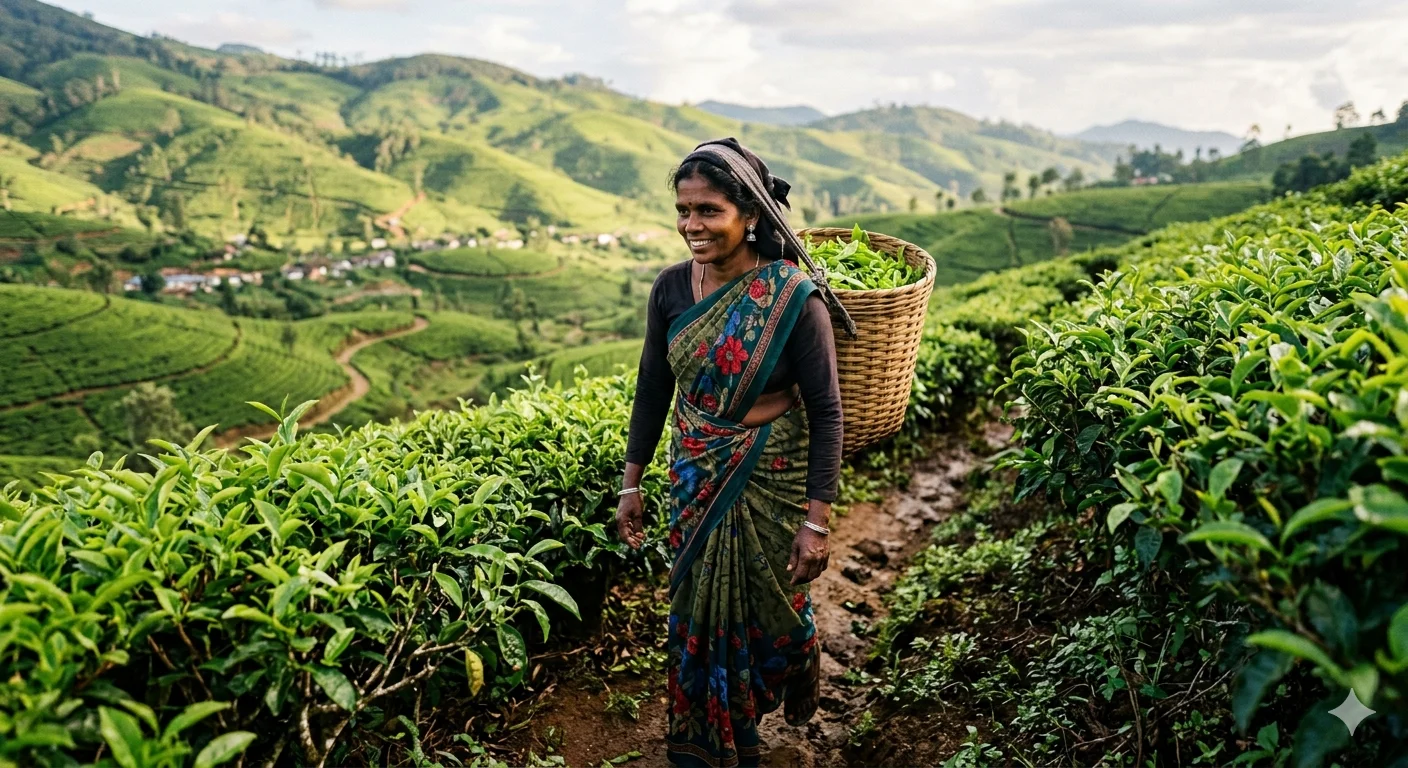
Stepping onto this vibrant island nation is like entering a sanctuary where ancient history and contemporary warmth coalesce seamlessly. While known to the world today by a modern name, the historical designation of Ceylon evokes a specific kind of romance, characterized by rolling mist across emerald tea estates, colonial architecture, and a reputation for producing some of the world’s finest exports. For the discerning traveler seeking a deep cultural immersion paired with exceptional natural beauty, this comprehensive ceylon travel guide offers a window into an experience that is both profoundly moving and genuinely authentic. This guide is designed to provide you with the essential insights required to navigate this unique destination effectively.
The island is experiencing a significant resurgence in popularity, driven by its diverse landscapes packed into a relatively small geographical area. Within a few days, you can easily transition from exploring centuries-old cities and climbing sacred peaks to observing majestic wildlife in their natural habitat and unwinding on pristine beaches. This unique compactness is one of the island’s greatest strengths, allowing for an incredibly varied itinerary without the need for exhaustive long distance travel. However, making the most of a visit requires careful planning and a nuanced understanding of the local dynamics, particularly regarding the weather, transportation, and cultural expectations. The following sections will detail how to structure your journey to maximize the experience.
Planning Your Journey Through the Emerald Highlands
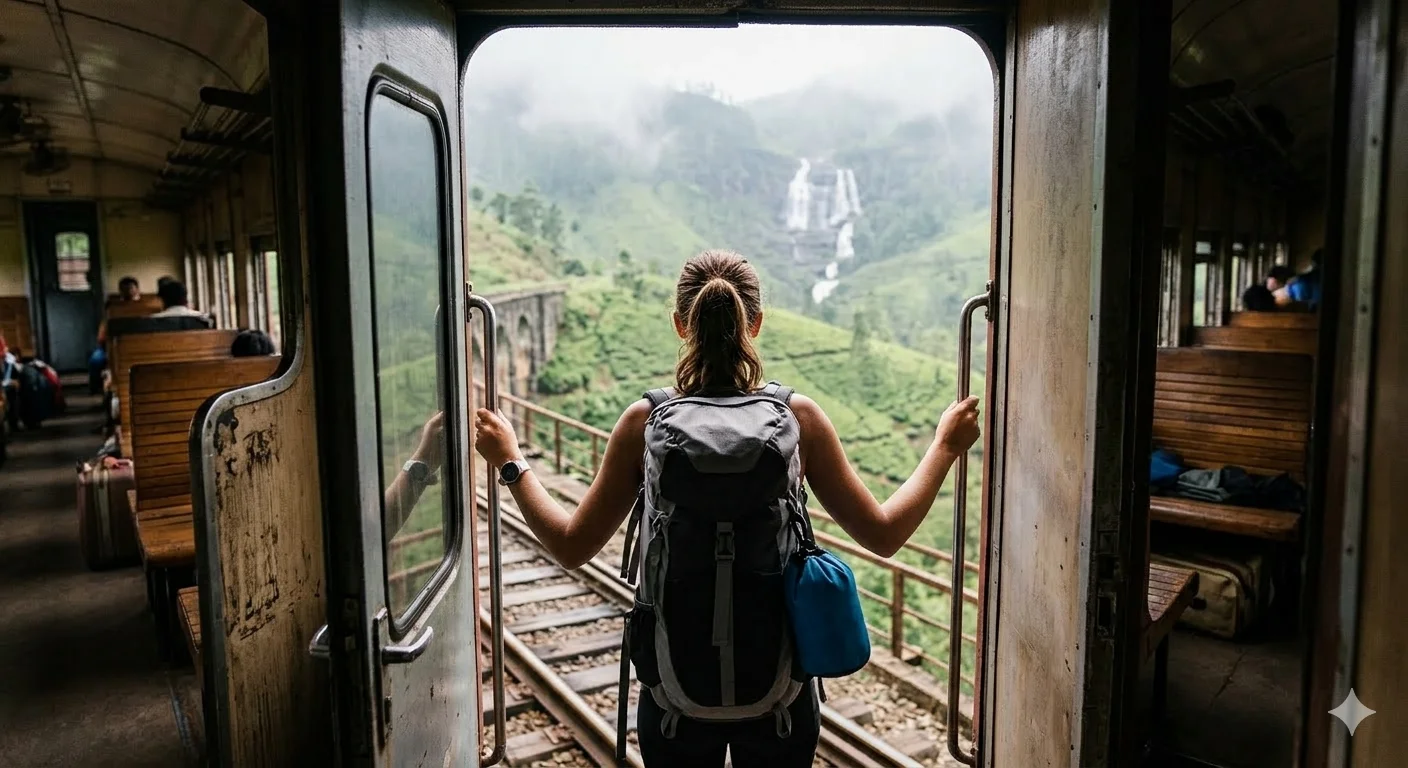
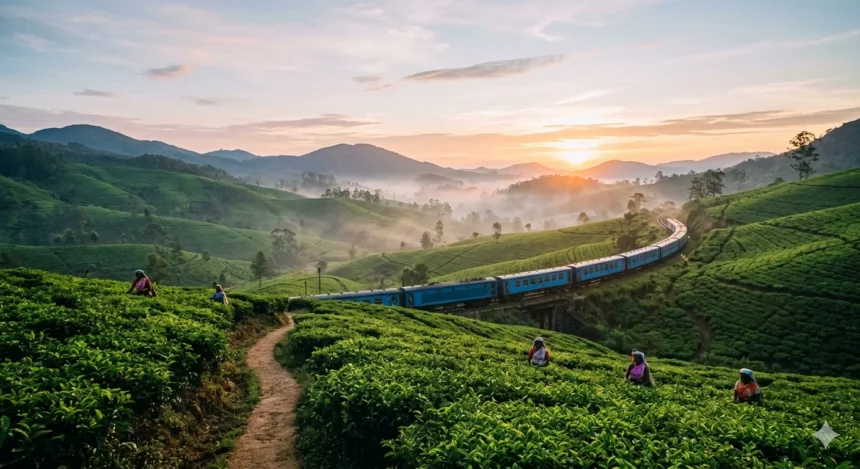
The central hill country is often the centerpiece of any visit, providing a cooler, dramatic contrast to the warm coastal plains. It is here that the legacy of Ceylon as a premier tea producer is most tangible. The landscape is defined by vast, undulating carpets of bright green tea bushes, meticulously tended by generations of workers. The quintessential experience in this region involves traveling by train. The rail journey, particularly the stretch between Kandy and Ella, is frequently cited by international travelers as one of the most scenic in the world. As the locomotive chugs slowly through the mountains, passengers are treated to breathtaking views of cascading waterfalls, deep valleys, and local villages.
To fully appreciate the highlands, allocating time to explore cities like Nuwara Eliya is essential. Often referred to historically as Little England, this town retains a distinct charm with its colonial-era bungalows, red brick post office, and well-manicured gardens. It provides an excellent base for visiting working tea factories where visitors can learn about the intricate process of tea production, from leaf to cup. For those seeking active exploration, the town of Ella offers excellent hiking opportunities, including the trek to Little Adams Peak and the iconic Nine Arch Bridge. The cooler climate here necessitates packing layers, as evenings can become quite chilly, standing in stark contrast to the tropical heat found elsewhere on the island.
Understanding the Seasonal Rhythm of the Coastlines
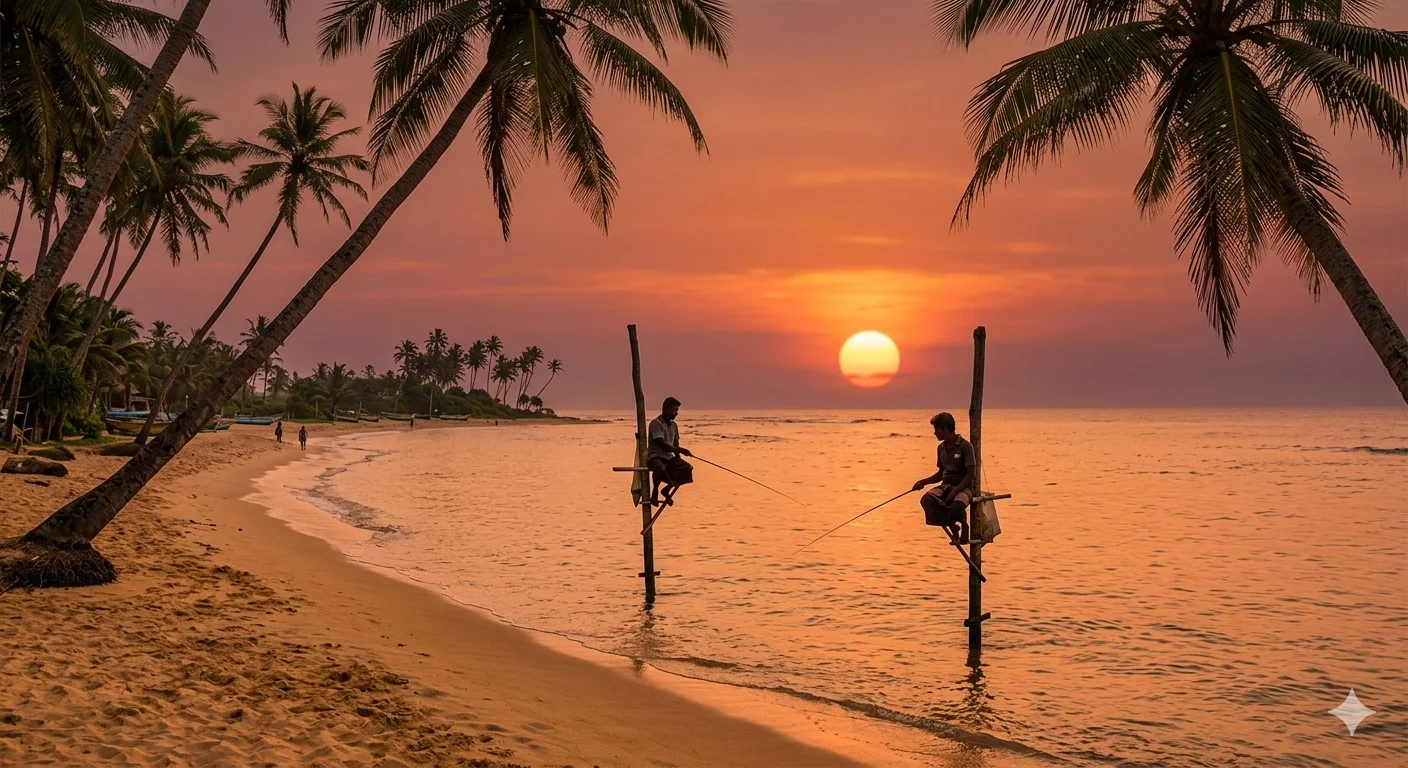
The coastal experiences on this island are heavily influenced by the distinct monsoon seasons which impact different regions at different times of the year. Understanding this pattern is perhaps the most critical logistical step in planning your visit, as it determines where you will find sunny skies and calm seas. For travelers seeking traditional beach vacations between the months of December and April, the southwest and south coasts are the ideal destination. This region is famous for its golden sands, excellent surfing conditions, and historic towns.
The town of Galle, particularly the area contained within the historic Dutch Fort, is a must visit location on the south coast. This UNESCO World Heritage site is a vibrant maze of ancient ramparts, beautifully preserved colonial buildings, and narrow streets now filled with boutique shops, art galleries, and restaurants. It offers a fascinating blend of history and modernity. During these same months, the southwest coast, including areas like Hikkaduwa and Mirissa, is excellent for whale and dolphin watching excursions, providing a chance to see the majestic blue whale, the largest animal on the planet.
Conversely, if your visit falls between the months of May and September, the east coast offers the best weather conditions. During this period, the southwest monsoon brings rain to the south, while the east coast experiences its dry season with bright sun and placid waters. Areas such as Trincomalee are renowned for their stunning, less crowded beaches like Uppuveli and Nilaveli. It is also a fantastic destination for snorkeling around Pigeon Island National Park. Additionally, Arugam Bay on the southeast coast is a world famous surfing destination, drawing enthusiasts from across the globe particularly during these summer months.
If you are planning your trip toward the end of the year, you may also find our guide on where to travel in November helpful for comparing other tropical and budget-friendly alternatives.
The Cultural Triangle and the Echoes of Ancient Kingdoms
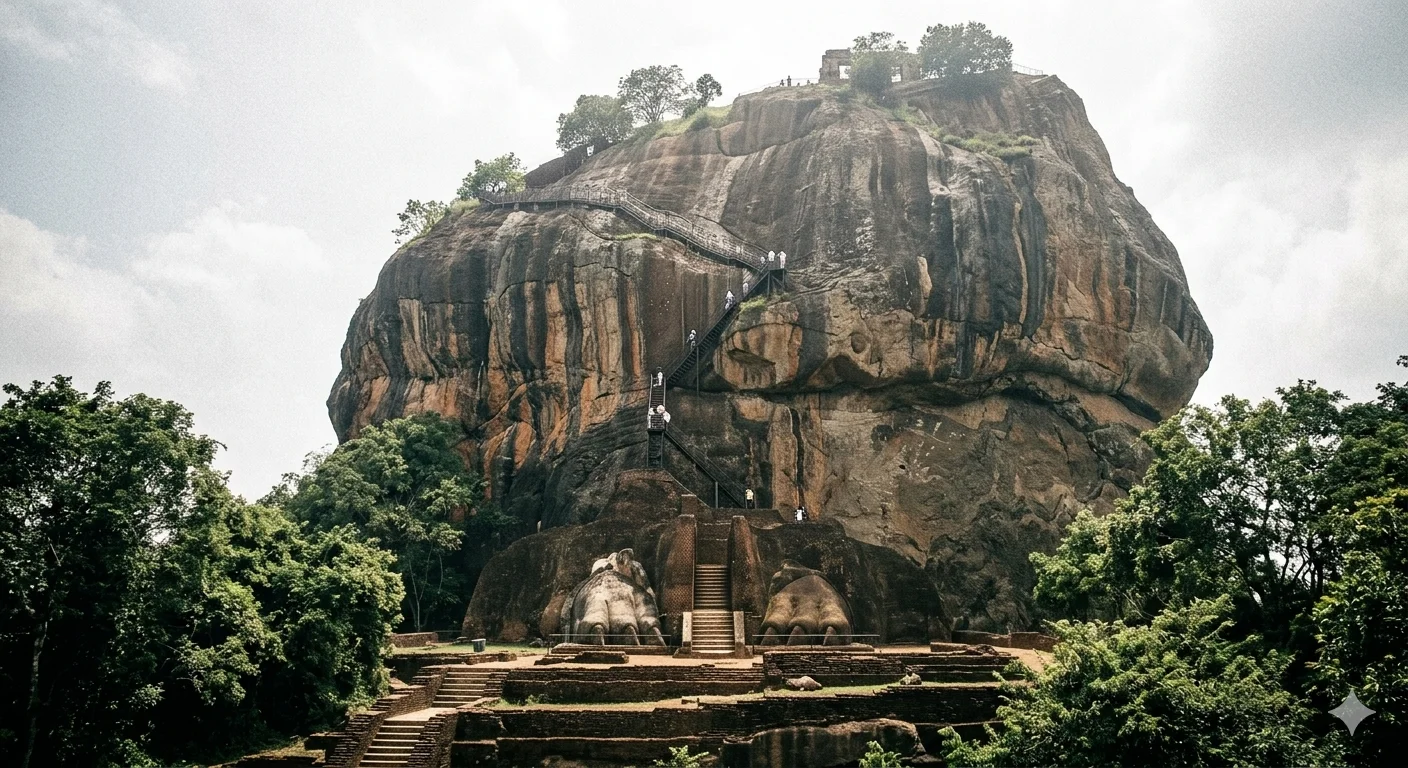
A significant portion of the island’s interior is known as the Cultural Triangle, a treasure trove of ancient cities and religious monuments that offer profound insight into the nation’s rich history spanning over two millennia. For those wishing to understand the historical depth that underpins modern Sri Lankan culture, dedicating significant time to this region is mandatory. The triangle is anchored by several UNESCO World Heritage sites, each presenting unique archeological and architectural marvels.
The ancient city of Anuradhapura serves as one historical endpoint. As one of the oldest continuously inhabited cities in the world, it was the center of Theravada Buddhism for centuries. Visitors can explore sprawling complexes of vast stupas, ancient reservoirs, and the sacred Sri Maha Bodhi tree, which is said to have grown from a sapling of the original Bodhi tree under which the Buddha attained enlightenment. Nearby is Mihintale, the mountain peak where Buddhism was first introduced to the island, offering panoramic views for those willing to climb its ancient steps.
Another critical site within the triangle is the medieval capital of Polonnaruwa. This city features remarkably well preserved ruins, including the impressive Royal Palace complex and the Gal Vihara, where four massive Buddha statues are carved directly into a single granite rock face. The most iconic site, however, is likely the Sigiriya Rock Fortress. This 5th century palace complex, perched atop a massive monolithic rock structure, is a feat of ancient engineering. The climb, while strenuous, rewards visitors with frescos of celestial maidens, the remains of the Lion Gate, and stunning 360 degree views of the surrounding jungle. Finally, the Dambulla Cave Temple complex nearby showcases five caves filled with intricate statues and stunning Buddhist murals, marking it as a center of pilgrimage for centuries.
Wildlife Encounters in the Untamed Wilderness
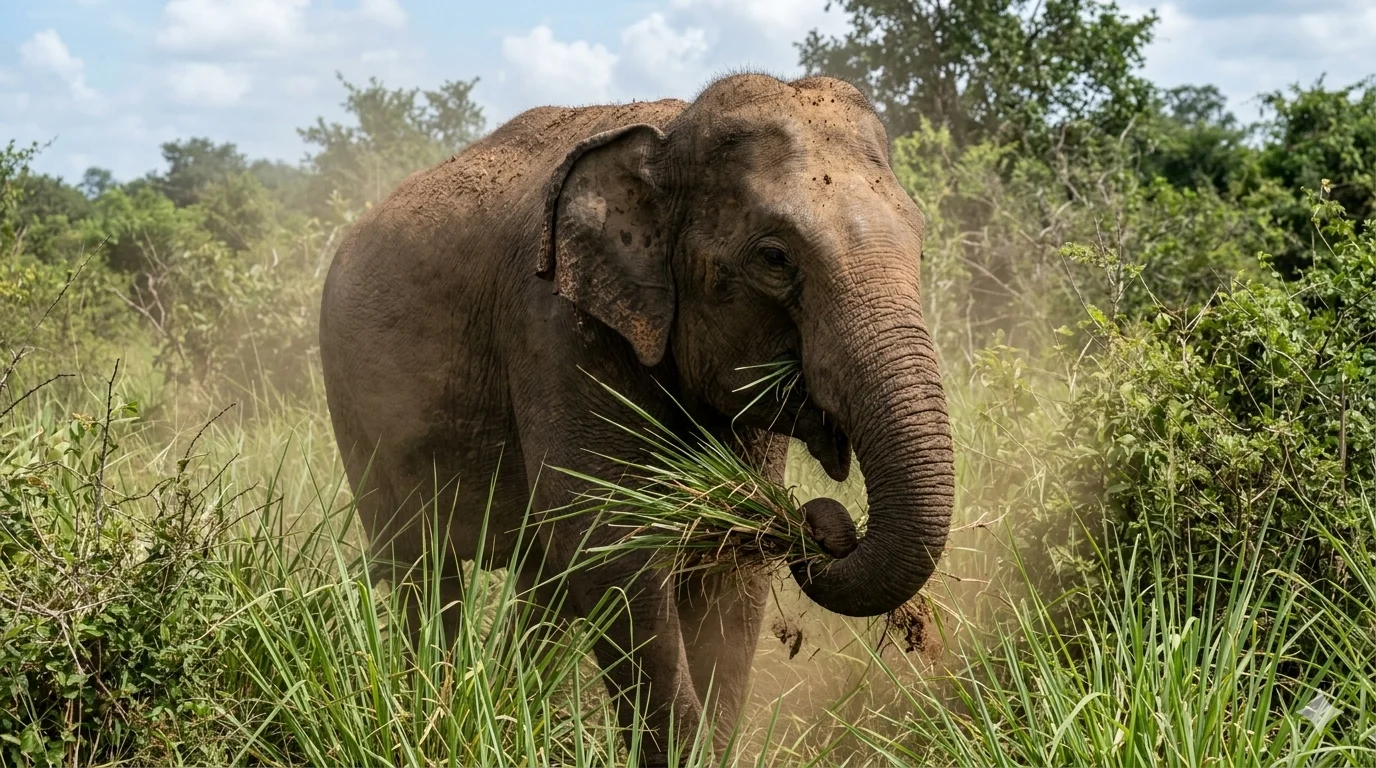
While the island is celebrated for its cultural heritage and scenic beauty, it also boasts remarkable biodiversity, making it one of the top destinations in Asia for wildlife viewing. The national parks offer exceptional opportunities to observe animals in their natural habitats. For many travelers, spotting the elusive leopard is a primary goal. Yala National Park, located on the southeast coast, has one of the highest leopard densities in the world, though sightings are never guaranteed. The park’s varied landscape of scrub jungle, lagoons, and rocky outcrops is also home to elephants, sloth bears, and crocodiles.
For guaranteed elephant sightings, Udawalawe National Park is often the superior choice. This park, located south of the central highlands, is a sanctuary for these gentle giants, and it is very common to see large herds grazing near the park’s reservoir. Another seasonal phenomenon of significant note is known as The Gathering. This event, which typically occurs between August and September in Minneriya National Park within the Cultural Triangle, involves hundreds of elephants congregating around the receding waters of the Minneriya tank. This gathering is believed to be one of the largest seasonal concentrations of wild Asian elephants anywhere on Earth. For bird enthusiasts, Bundala National Park is a critical wetland safari destination, hosting vast numbers of migratory birds.
Practical Logistics for the Modern Independent Traveler
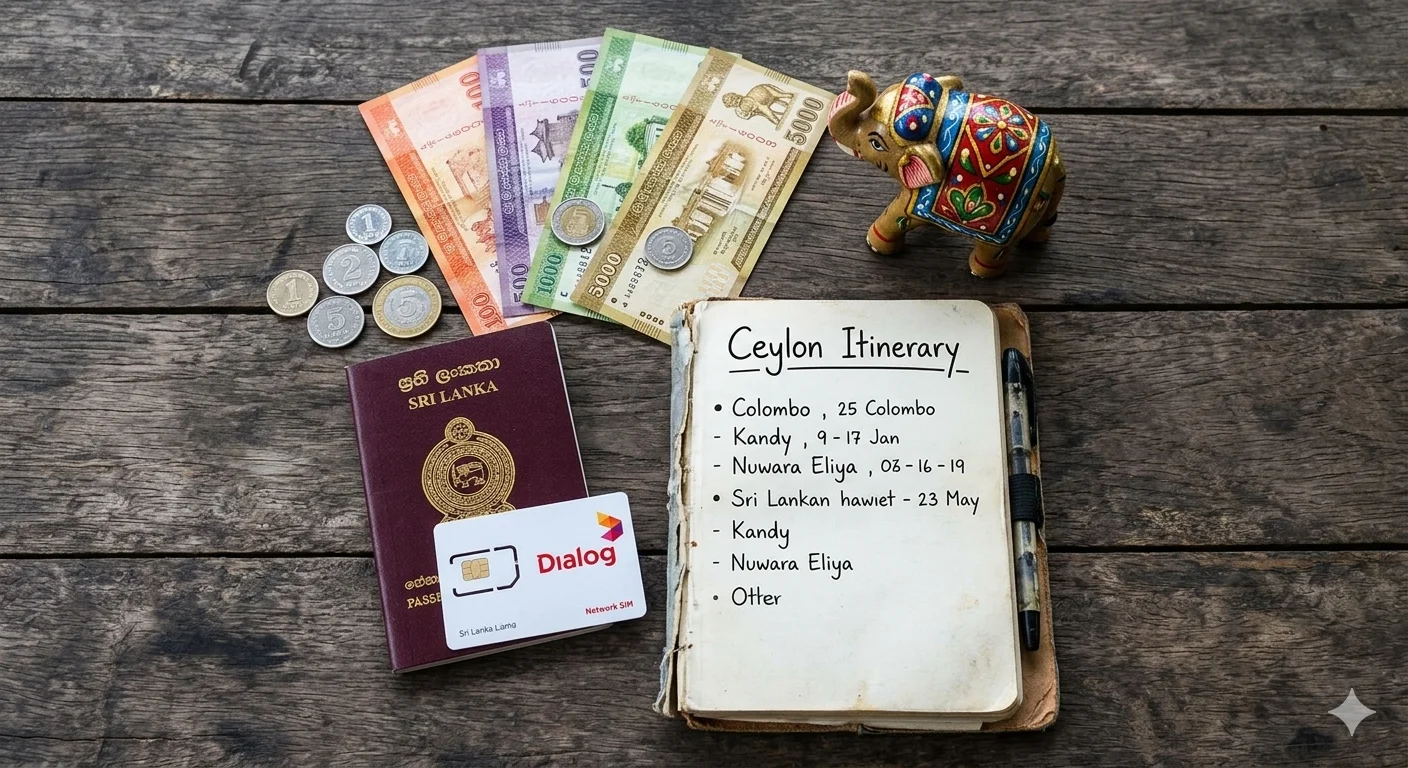
When planning your journey, a number of practical details must be considered to ensure a smooth experience. Most international travelers will arrive through the primary airport near the commercial capital. It is essential to ensure that your travel documentation, particularly visas, are arranged well in advance. The country currently utilizes an Electronic Travel Authorization system, which should be applied for through official channels prior to your departure to avoid delays.
For currency, the local Rupee is used. While major establishments, luxury hotels, and high end restaurants will readily accept credit cards, cash is absolutely necessary when visiting local markets, using public transportation, or purchasing tickets at smaller sites. ATMs are widely available in cities and larger towns, allowing for easy access to local currency. It is advisable to notify your home bank of your travel plans to prevent any security holds on your accounts when attempting transactions abroad.
Transportation is another crucial logistical consideration. Public options, including the highly scenic trains and extensive bus networks, are extremely affordable and offer an authentic local experience, though they can be crowded and time consuming. For maximum comfort and efficiency, especially when trying to cover multiple regions, many travelers opt to hire a private vehicle with a driver for the duration of their trip or for specific segments. This approach allows for greater flexibility and the convenience of door-to-door service, making it much easier to explore locations off the beaten track. The island also utilizes local ride-hailing services in major cities, which are reliable and cost effective.
Culinary Traditions and the Legacy of Tea
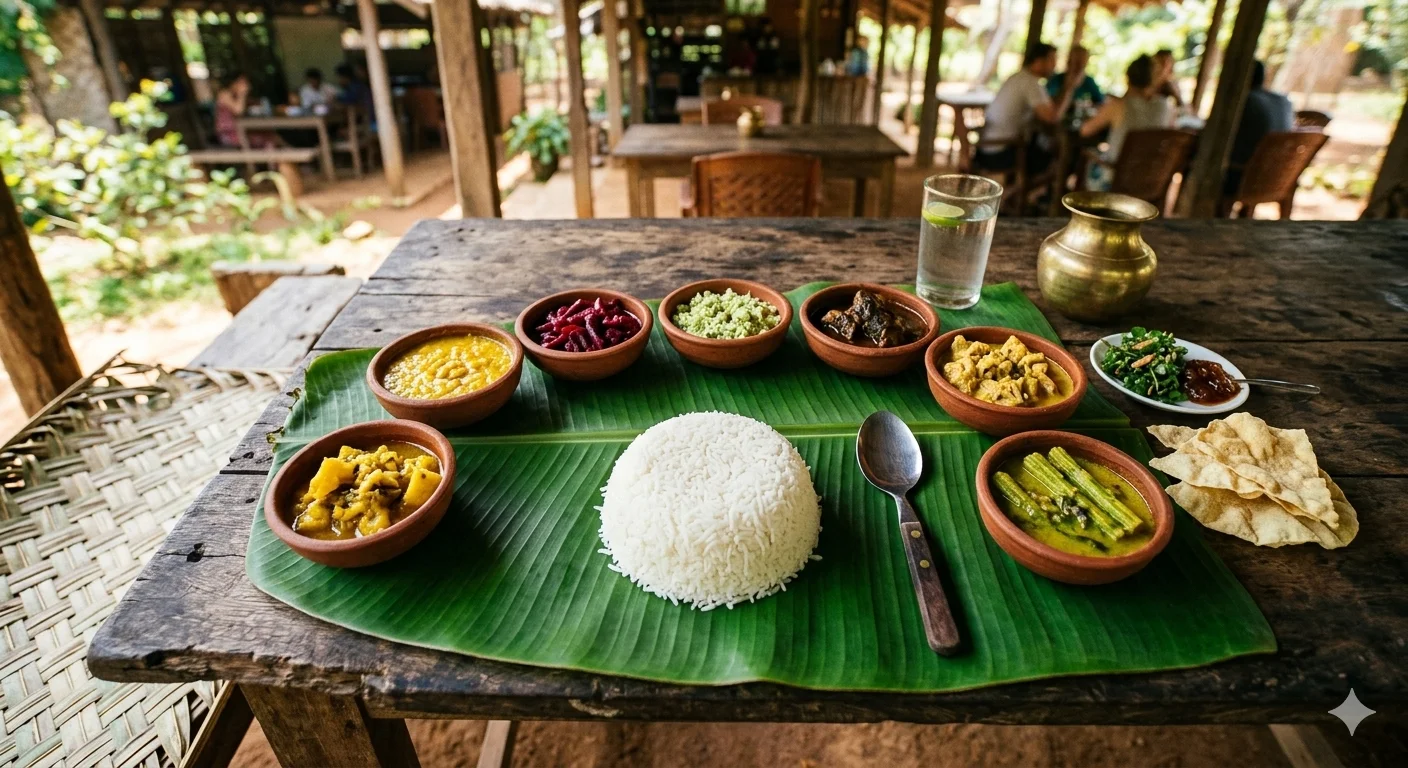
The cuisine of the island is a vibrant reflection of its multicultural history and tropical location, offering an explosion of flavors. The cornerstone of the local diet is rice and curry, which is typically served not as a single dish, but as a central portion of rice accompanied by numerous small bowls containing various vegetable and meat curries. These curries are distinct from those found in other regions, characterized by the extensive use of locally sourced spices and rich coconut milk. Seafood, owing to the extensive coastline, is exceptional in southern regions.
You should not miss the opportunity to try local specialties such as hoppers, which are thin, bowl shaped pancakes made from fermented rice batter and coconut milk, often served with a fried egg in the center. For a quick and savory snack, kottu roti is a popular street food made from shredded flatbread stir fried with vegetables, eggs, and meat. Of course, no visit is complete without indulging in the famous Ceylon tea. Beyond the hill country factories, you will find tea readily available throughout the country, often served strong and with milk, providing a comforting break in any itinerary. Sampling the tropical fruits, from sweet mangoes to the unique mangosteen and wood apple, is another highlight of the local culinary experience.
Ethical Exploration and Respecting Local Customs
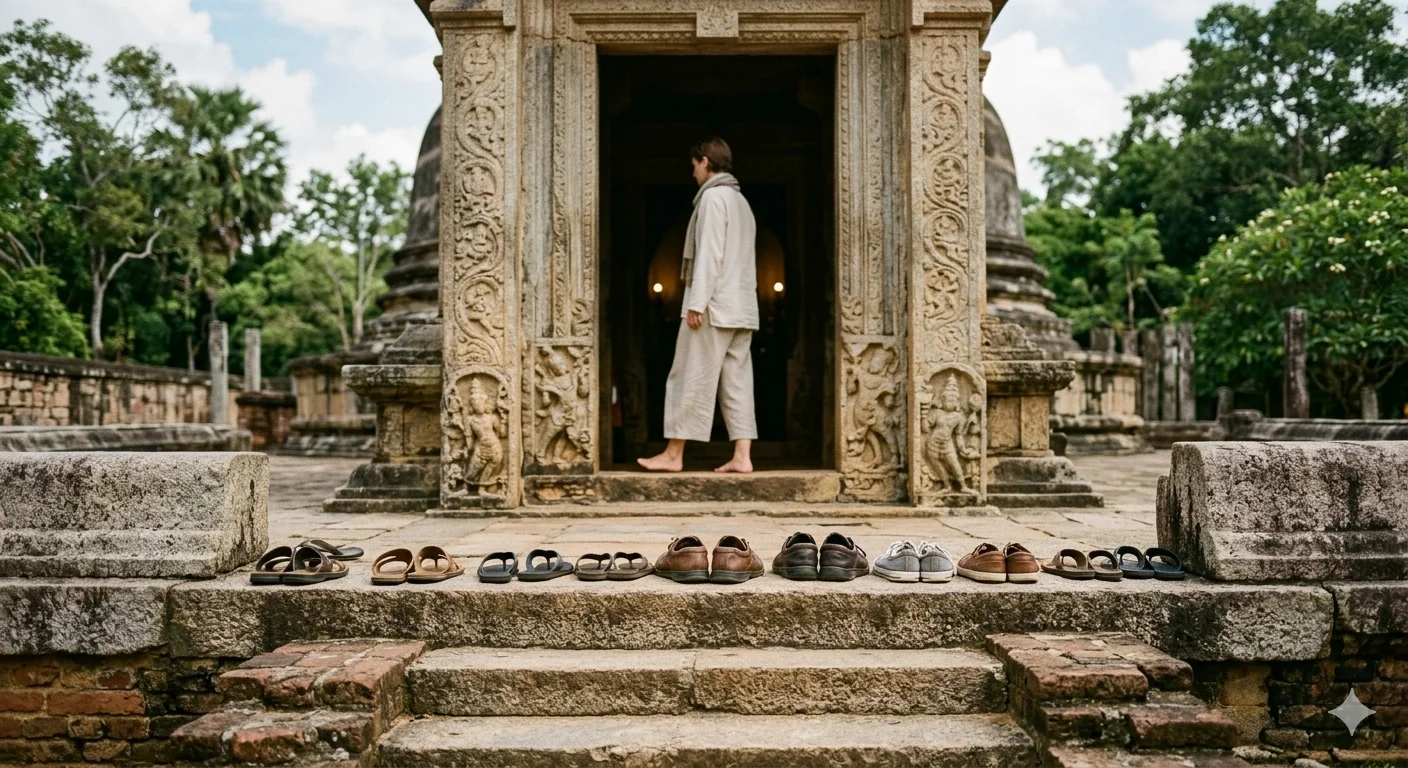
The warmth and hospitality of the people are frequently cited as highlights by visitors. However, as a deeply religious and culturally conservative society, showing respect for local customs is vital. This is particularly relevant when visiting religious sites, including all Buddhist and Hindu temples. Both men and women are required to cover their shoulders and knees when entering a temple. Shoes must also be removed before stepping into the sacred precincts. While photography is usually permitted within these sites, posing for a photo with your back to a statue of the Buddha is considered highly disrespectful and can lead to significant issues. It is always best to observe and follow the behavior of local worshipers.
Tourism plays a massive role in the nation’s economy, and it is crucial to ensure that your visit has a positive impact. Opting for locally owned accommodations and hiring local guides can directly support communities. When purchasing souvenirs, such as spices, wood carvings, or sapphires, try to buy from responsible sources that pay fair wages. Given the rich wildlife on the island, it is also important to engage only in responsible animal tourism. This means avoiding any attractions that offer rides on elephants or other forms of exploitation. Respecting wildlife in the national parks also involves adhering to regulations, maintaining a safe distance from animals, and refusing to allow drivers to chase wildlife for photographs. By approaching your visit with mindfulness and respect, you not only enrich your own travel experience but also contribute to the long term preservation of this unique and breathtaking island nation.
For more inspiration on iconic global destinations this year, explore our latest Hallstatt Austria travel guide to plan your next mountain escape.
General Disclaimer
The information provided in this article is for educational and informational purposes only. While we strive to keep all details in this Ceylon travel guide accurate and up-to-date for 2026, travel conditions, visa requirements, and local laws can change without notice. Readers are encouraged to verify critical details, such as entry permits and health safety protocols with official government sources before booking. Use of the information in this guide is at the reader’s own risk, and we are not liable for any loss or inconvenience resulting from the use of this content.