

In a world hurtling toward AI-driven innovation and pressing global challenges like climate change, our traditional education systems are starting to feel like relics. Educating for the future goes beyond catchy phrases it’s an urgent need to arm the next generation with adaptable skills, sharp critical thinking, and unshakeable resilience. Consider this: by 2030, automation could displace 85 million jobs, according to the World Economic Forum. Future-proof education isn’t optional it’s survival. Let’s dive into the trends reshaping classrooms, practical strategies to implement them, and the hurdles we must clear.
Why Traditional Education No Longer Cuts It
Picture a classroom from 20 years ago: rows of desks, endless rote memorization, and high-stakes tests measuring narrow knowledge. That model crumbles under today’s realities. Technology evolves so fast that skills like basic coding or data crunching can become outdated in just two to five years, while evergreen traits like adaptability endure. The job market is pivoting dramatically, too green energy, biotechnology, and virtual reality roles demand interdisciplinary expertise that siloed subjects can’t provide. And don’t overlook the human side: post-pandemic surveys show 40% of students grappling with anxiety, underscoring the gap in emotional intelligence training.
Schools leading the charge are swapping dusty textbooks for hands-on projects, echoing how forward-thinking businesses adopt agile strategies to stay competitive.
Trends Redefining How We Learn
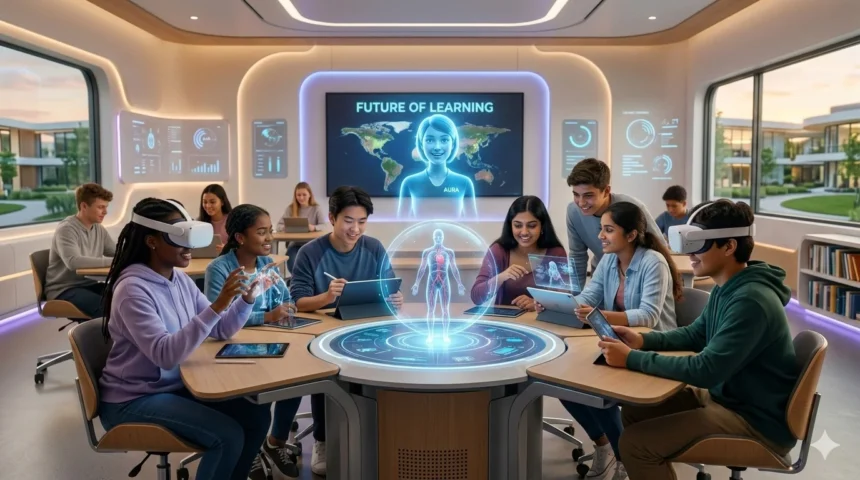
Educators globally are injecting fresh energy into learning through game-changing innovations. AI-powered personalized platforms, like those mimicking Duolingo’s language mastery or Khan Academy’s smart tutors, customize lessons to each student’s pace and boost retention by up to 30%. We’re also seeing a powerful fusion of STEM and humanities, where coding classes tackle ethical AI dilemmas head-on. Lifelong learning is the new norm, with micro-credentials from sites like Coursera replacing rigid degrees today, 70% of workers upskill online each year. Then there’s experiential magic: virtual reality lets kids visit Mars or simulate Wall Street trades, turning abstract concepts into vivid realities.
These shifts parallel the tech revolutions transforming everyday workflows, making education feel alive and relevant.
Actionable Strategies for Real Change
Parents, teachers, and policymakers can drive this transformation with focused steps. Start by elevating skills above grades swap homework for building simple apps or devising community sustainability plans that spark real passion. Integrate technology thoughtfully: AI tools like advanced writing assistants provide instant feedback without enabling shortcuts, honing craft along the way. Build global perspectives through virtual exchange programs or immersive cultural tours that foster empathy. Nurture mental agility with simple habits, like end-of-day reflection journals promoting a growth mindset. On a broader scale, advocate for policies channeling funds into edtech and teacher training, drawing inspiration from Finland’s student-first reforms that prioritize well-being and creativity.
Navigating Challenges on the Path Forward
Of course, no evolution happens without friction. The digital divide leaves 2.7 billion people offline, and teacher burnout is at an all-time high. Hybrid models that blend digital and in-person access offer a fix, while government subsidies for devices in underserved communities level the playing field. Free massive open online courses (MOOCs) empower professional development, turning obstacles into springboards for equitable progress.
Your Next Step in Shaping Tomorrow
Ultimately, educating for the future casts learning as a thrilling lifelong journey, not a checkbox race. Parents might launch a family coding club over dinner; teachers could gamify lessons into epic quests; leaders must champion inclusive policies. In an era where automation rewires entire industries, those who adapt don’t just survive they lead, much like the entrepreneurs navigating today’s volatile markets.
What one tweak will you introduce to your world of learning this week?