


Imagine a world without electricity. From the moment we wake up to the time we go to bed, we rely on electrical devices to keep our lives running smoothly. But have you ever wondered how that power gets to your home and the devices you use?
It all starts with robust electrical pathways designed for effective and reliable power delivery. These pathways include power cables and transformers. They are essential for safe and uninterrupted energy flow.
In this article, we will explore the features that make these pathways safe, how they reduce voltage loss, and why they keep our equipment functioning properly.
What Are Robust Electrical Pathways?
Robust electrical pathways refer to the intricate systems and components that deliver electricity from generation sources to homes, schools, and businesses. This includes not only the power cables that carry the electric current but also transformers and substations that regulate the voltage. Each component plays a vital role in maintaining a steady flow of electricity.
Elements of an effective electrical pathway include:
Conductors
Conductors are made from materials like copper and aluminum. These materials have low resistance, so electricity flows through them easily and efficiently. Copper is a common choice for conductors.
This is because it has high conductivity and durability. You can see this in the many homes and buildings that use copper wiring. The ease with which electricity flows through these materials is similar to how water flows through a pipe with minimal friction, making them ideal for carrying electrical currents.
Insulation
Insulation materials like plastic and rubber cover conductors. This helps prevent electric shocks and short circuits. This protective layer is like a shield.
It keeps people and equipment safe from the dangers of exposed electrical conductors. The insulation helps reduce energy loss. It keeps electrical current from escaping.
This works like a thermos, which keeps drinks at a steady temperature by minimizing heat transfer. Effective insulation materials have been key to using electrical systems. They make it safe to transmit power over long distances.
Transformers
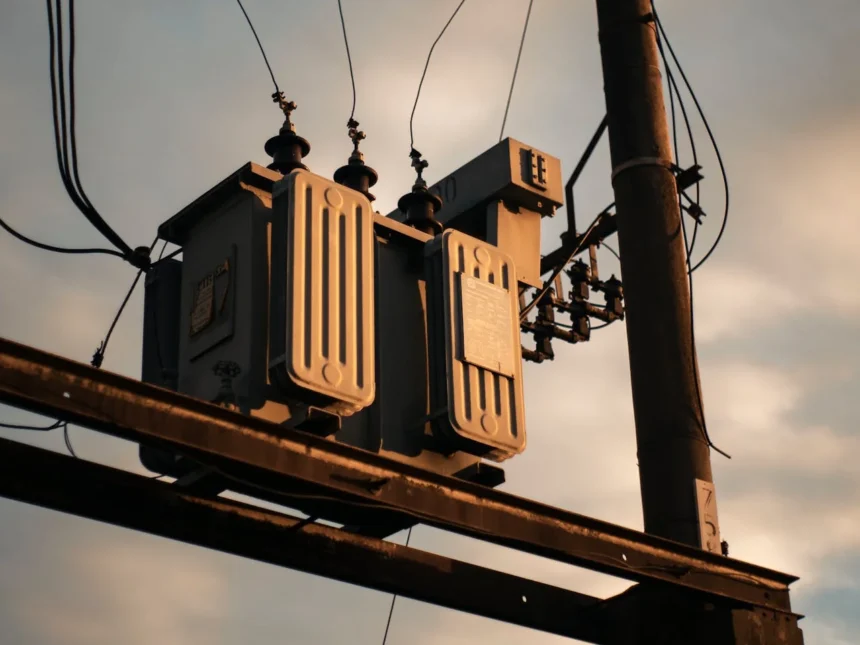
Transformers are devices that adjust voltage levels to ensure safe and efficient power delivery across long distances. They transfer electrical energy between circuits using electromagnetic induction. It’s similar to how a lever amplifies or changes the direction of mechanical force.
A step-up transformer boosts electrical voltage for long-distance transmission. This helps reduce energy loss. In contrast, a step-down transformer lowers the voltage to a safe level for homes and businesses.
Transformers play a key role in sending power over long distances. They optimize voltage levels, which reduces energy loss and boosts efficiency.
Benefits of Robust Pathways
Having a robust electrical pathway is crucial for several reasons. First, it enhances safety by reducing the risk of electrical fires and shocks.
Second, effective pathways minimize voltage loss, which is essential for maintaining the power quality that consumers expect. Lastly, they ensure that equipment runs smoothly, which reduces downtime and repair costs.
Enhancing Safety
One of the most important benefits of robust electrical pathways is enhanced safety. Did you know that approximately 51,000 home fires each year are caused by faulty electrical wiring? By using high-quality materials and safe designs, robust pathways can dramatically reduce fire risks.
Limiting Voltage Loss
Voltage loss happens when the electrical energy decreases as it travels through the wires due to resistance. This is a common occurrence, especially over long distances. Robust electrical pathways help limit this loss by utilizing thicker and higher-quality power cables, ensuring that more voltage reaches the end user.
Key Features of Quality Power Delivery Systems
Here, we’ll find out the main features of an effective power delivery system:
Thicker Conductors
Using thicker wires reduces resistance, which makes electricity transfer more efficient. This is because thicker wires have a larger cross-sectional area, allowing electrons to flow more easily.
For example, the power grid uses thick, high-voltage cables to transmit electricity over long distances with minimal energy loss. By using thicker conductors, we can reduce the amount of energy wasted as heat and make our electrical systems more efficient.
Quality Insulation
High-grade insulation materials play a crucial role in preventing energy loss and protecting against external damage. Insulation materials like rubber, plastic, and fiberglass help to prevent electrical currents from escaping, which reduces the risk of shock and fire.
Additionally, quality insulation can protect electrical systems from environmental factors like moisture, temperature, and physical stress. The use of high-grade insulation materials is especially important in harsh environments, such as industrial settings or outdoor applications, where electrical systems are more vulnerable to damage.
Regular Maintenance
Regular maintenance is essential for keeping electrical pathways in check. This includes inspections to identify potential problems, repairs to fix damaged components, and replacements to upgrade outdated systems. They can help prevent electrical accidents, reduce energy waste, and ensure safe operation.
A scheduled inspection can uncover a faulty wire or a bad circuit breaker. This lets us fix or replace it before a bigger problem arises. Regular maintenance can also help extend the lifespan of electrical systems and reduce the need for costly repairs.
Smart Technology
New smart technology, such as smart meters and intelligent sensors, can monitor energy usage and detect problems before they escalate. These devices use advanced algorithms and real-time data to identify trends and anomalies in energy consumption, allowing us to optimize our energy usage and prevent waste.
How to Ensure Reliable Power Delivery
To ensure reliable power delivery, we can follow certain practices that enhance the robustness of electrical pathways. Here are some steps to follow:
Invest in Quality Materials
Quality materials are the backbone of any robust electrical pathway. Always opt for high-grade power cables and components to ensure fewer issues over time. Poor materials can lead to frequent repairs and even dangerous situations.
Conduct Regular Inspections
Scheduling regular inspections can help detect issues before they become major problems. This includes checking for wear and tear on cables, loose connections, and any signs of overload in the system.
Train Personnel
Having well-trained staff ensures that everyone understands the importance of these systems and how to maintain them. Training can prevent mishaps and ensure that people are able to respond quickly in case of an emergency.
The Importance of Robust Electrical Pathways
In conclusion, robust electrical pathways are essential for reliable power delivery. They not only enhance safety but also limit voltage loss and keep equipment running smoothly. Remember, a solid electrical pathway is the key to our modern world, making sure that energy flows effectively to keep us connected and powered up.
For more helpful tips, check out the rest of our site today.