

Private education offers a distinct approach to learning that many families choose for its personalized focus and flexibility. It stands apart from traditional public systems by relying on independent funding and governance, allowing schools to tailor their programs to specific educational philosophies. This model has grown in popularity as parents seek environments that nurture individual potential beyond standardized curricula.
Defining Private Education
Private education refers to schooling provided by institutions that operate independently from government oversight and funding. These schools sustain themselves through tuition payments, donations, endowments, and sometimes grants from private foundations. Unlike public schools, which draw resources from taxpayer dollars, private education creates its own financial structure, giving administrators freedom to shape policies without adhering to broad state mandates.
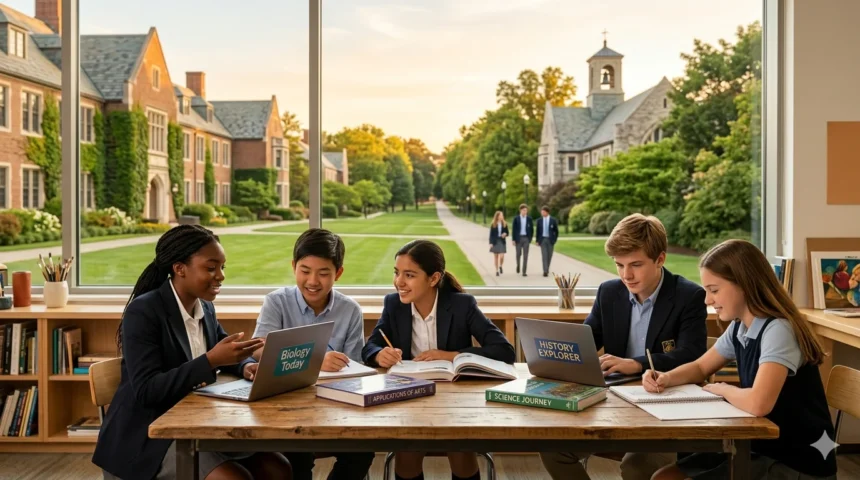
At its core, private education emphasizes choice and customization. Schools can adopt unique teaching methods, such as Montessori principles that encourage child-led exploration or classical models rooted in rigorous academic traditions. This independence allows for smaller class sizes, where teachers provide more individualized attention, fostering deeper engagement with subjects like literature, science, and arts. Parents often value this setup because it aligns with their values, whether religious, academic, or holistic development goals.
The history of private education traces back centuries, with roots in religious institutions and elite academies designed to educate future leaders. Today, it encompasses a wide spectrum, from day schools in urban centers to boarding programs in rural settings. What unites them is a commitment to excellence driven by market demand rather than regulatory compliance, resulting in environments where innovation thrives.
Key Characteristics of Private Schools
One hallmark of private education lies in its admissions process, which typically involves applications, interviews, and sometimes entrance exams. This selective approach ensures a cohesive student body, where peers share similar motivations and aptitudes. Schools prioritize fit over open enrollment, creating communities geared toward high achievement and mutual support.
Curriculum in private education often extends beyond core subjects. Many integrate advanced studies in STEM, languages, or performing arts earlier than public counterparts. Extracurricular offerings, such as robotics clubs, debate teams, or equestrian programs, enrich the experience, helping students build portfolios for college applications. Teachers, frequently holding advanced degrees, bring passion and expertise that inspire lifelong learning.
Facilities play a significant role too. Private schools invest in modern labs, libraries, and sports complexes funded by alumni networks and philanthropy. Safety measures exceed basic requirements, with secure campuses and counseling services addressing emotional well-being. This holistic infrastructure supports not just academic growth but also character development through leadership opportunities, service projects and daily routines and atmosphere.
Benefits for Students and Families
Students in private education often experience accelerated academic progress due to tailored instruction. Research consistently shows higher test scores and college matriculation rates, attributed to rigorous standards and motivated cohorts. The close-knit atmosphere reduces behavioral issues, allowing more classroom time for substantive learning rather than discipline.
Personalized guidance extends to college counseling, where dedicated advisors craft strategies unique to each student’s strengths. This support translates into placements at top universities, with many graduates pursuing competitive majors. Beyond academics, private education cultivates soft skills like critical thinking and resilience through project-based learning and real-world applications.
For families, the value lies in alignment with personal beliefs. Religious schools incorporate faith-based teachings seamlessly into daily lessons, while secular options emphasize global perspectives or environmental stewardship. Parental involvement remains high, with frequent communications and events that strengthen home-school partnerships. Over time, this investment yields alumni who credit their formative years for career successes and personal fulfillment.
Potential Challenges and Considerations
Private education requires financial planning, as tuition varies widely based on location and prestige. Annual costs can range from moderate to substantial, prompting families to explore scholarships, financial aid, or payment plans offered by many institutions. While public options remain free, private schools justify expenses through superior resources and outcomes that enhance future earning potential.
Transitioning from public to private settings demands adjustment. The structured rigor and homework expectations challenge some students initially, though support systems ease the shift. Location matters too, as commuting or boarding arrangements influence family dynamics. Prospective families benefit from campus visits and speaking with current parents to gauge cultural fit.
Despite these hurdles, satisfaction rates remain elevated. Longitudinal studies indicate that private school graduates report stronger professional networks and adaptability in diverse workplaces. The emphasis on ethical leadership prepares them for societal contributions, balancing personal ambition with communal responsibility.
Types of Private Education Institutions
Private education manifests in diverse forms, each catering to specific needs. Day schools serve local communities, offering convenience without residential commitments. Boarding schools provide immersive experiences, blending academics with independence training for students from varied backgrounds.
Specialized institutions focus on niches like arts conservatories or international baccalaureate programs. Religious affiliations, from Catholic to Jewish to Islamic, infuse curricula with moral frameworks while meeting secular academic benchmarks. Montessori and Waldorf models prioritize creativity and natural development, delaying formal academics in favor of play-based discovery.
Online private education has emerged as a flexible alternative, combining virtual classrooms with live interactions. Hybrid models blend in-person and digital elements, appealing to families valuing technology integration. Each type reflects evolving demands, ensuring options for every learning style and family circumstance.
The Role of Teachers and Administration
Educators in private education enjoy greater autonomy in lesson planning, fostering innovative pedagogies. Professional development opportunities abound, with schools funding conferences and collaborations. This investment yields dynamic classrooms where technology, like interactive simulations, enhances comprehension.
Administrators prioritize long-term vision, often led by heads with decades of experience. Governing boards, comprising parents, alumni, and experts, ensure fiscal health and strategic growth. Their decisions reflect stakeholder input, maintaining trust and accountability without bureaucratic layers.
Teacher-student ratios, typically one to twelve or lower, enable mentorships that extend beyond academics. Advisors track progress holistically, intervening early on challenges like study habits or social integration. This relational focus distinguishes private education, creating enduring bonds that influence life trajectories.
Funding and Financial Sustainability
Sustaining private education demands diversified revenue streams. Tuition covers operations, but endowments provide stability for scholarships and expansions. Fundraising events, galas, and corporate partnerships bolster budgets, while alumni giving sustains traditions.
Financial aid democratizes access, with need-blind admissions at select schools. Merit scholarships reward talent in academics, arts, or athletics. Families complete detailed applications, often including tax returns, to qualify for aid packages that make enrollment feasible.
Philanthropy underscores the communal spirit, as donors invest in future generations. Capital campaigns fund state-of-the-art facilities, ensuring competitiveness. This model incentivizes efficiency, with lean administrations maximizing resources for student benefit.
Academic Excellence and Outcomes
Private education excels in preparing students for higher education and beyond. Standardized test preparation integrates naturally, yielding top percentiles. Advanced Placement and dual-enrollment courses earn college credits, reducing future debt.
Graduation rates approach one hundred percent, with alumni thriving in Ivy League institutions, liberal arts colleges, and specialized programs. Career services extend support post-graduation, facilitating internships and job placements. The rigorous foundation equips graduates with analytical skills prized in fields like medicine, law, and engineering.
Extracurricular achievements amplify resumes, from national science fair wins to Olympic-caliber athletics. These accomplishments reflect a culture of aspiration, where effort meets opportunity. Long-term, private school networks facilitate mentorships and collaborations that propel professional growth.
Parental Involvement and Community Building
Private education thrives on active parental engagement. Open houses, parent-teacher conferences, and committees invite collaboration. Volunteers organize events, from book fairs to service days, strengthening bonds.
Alumni associations foster lifelong connections, with reunions and mentorship programs. Philanthropic circles support current students, perpetuating cycles of giving. This ecosystem extends family influence, embedding values across generations.
Social events cultivate friendships among families, creating support networks. Diversity initiatives welcome varied socioeconomic and cultural perspectives, enriching dialogues. The result is a vibrant community where education transcends classrooms.
Future Trends in Private Education
Innovation shapes private education’s trajectory, with STEM integrations and coding bootcamps leading the way. Sustainability curricula address climate challenges, incorporating eco-friendly campuses. Global exchanges expose students to international viewpoints, preparing them for interconnected worlds.
Personalized learning leverages AI for adaptive pacing, tailoring challenges to abilities. Wellness programs combat stress, promoting mindfulness and fitness. As demands evolve, private schools adapt swiftly, maintaining relevance.
Enrollment projections indicate steady growth, driven by parental priorities on quality. Hybrid learning models post-pandemic offer flexibility, blending virtual and in-person strengths. Private education remains a beacon of aspiration, evolving to meet tomorrow’s needs.
Choosing the Right Private School
Selecting a private school involves research into mission alignment and outcomes. Visit multiple campuses, review accreditation, and analyze demographics. Speak with administrators about class sizes, teacher qualifications, and support services.
Financial assessments clarify affordability, factoring aid and long-term value. Student testimonials and alumni success stories provide insights. Trial days allow children to experience environments firsthand.
Ultimately, the best fit nurtures a child’s passions while challenging growth. Families report transformative journeys, with private education unlocking potentials undreamed. It represents an investment in futures bright with possibility.