


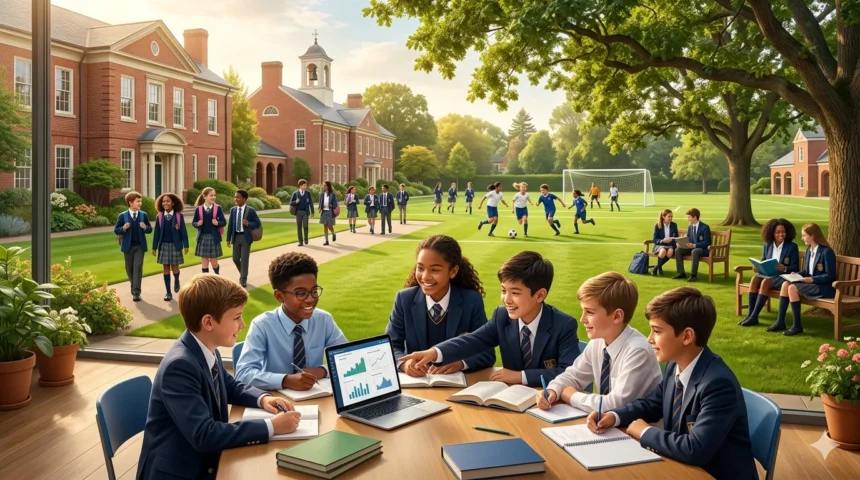
Private school life unfolds in an environment designed for focused learning and personal growth, distinct from larger public settings, explore the core definition of private education first for context. Students navigate days filled with engaging classes, meaningful interactions, and enriching activities that shape their character and skills. This glimpse into daily rhythms reveals why many families embrace the private school experience.
Morning Arrival and Community Vibe
The day begins with students arriving on well-maintained campuses, often greeted by teachers at the entrance. Uniforms create a sense of unity, while diverse backgrounds blend seamlessly in morning assemblies. These gatherings set a positive tone, featuring announcements, brief reflections, or student-led performances that foster belonging from the start.
Parents drop off children knowing security measures and caring staff watch over them. Carpool lines move efficiently, transitioning quickly to playground time or quiet reading corners. The atmosphere hums with anticipation, as friendships form and excitement builds for lessons ahead. This structured yet warm entry eases separation and primes young minds for discovery.
Early moments highlight the close-knit nature of private school communities. Teachers know every student by name, offering personalized hellos that make each child feel valued. The emphasis on punctuality instills discipline gently, preparing everyone for a productive day.
Classroom Dynamics and Teaching Style
Classes commence with teachers diving into subjects through interactive methods rather than rote lectures. Small groups, often fewer than fifteen students, allow for discussions where every voice matters. In literature circles, pupils analyze texts collaboratively, sharing insights that deepen collective understanding.
Science labs buzz with hands-on experiments, from dissecting specimens to coding simple robots. Instructors guide rather than dictate, encouraging questions that spark curiosity. Mathematics unfolds via real-world problems, like budgeting for a mock business, making abstract concepts tangible and relevant.
Art and music studios provide outlets for creativity, with supplies abundant and space to experiment. Teachers integrate technology seamlessly, using tablets for research or virtual reality for historical tours. This dynamic approach keeps engagement high, turning lessons into adventures that students eagerly anticipate.
Recess and Social Interactions
Mid-morning breaks offer time to recharge on expansive playgrounds equipped with climbing walls and sports fields. Organized games rotate daily, promoting teamwork and physical fitness under watchful supervision. Friendships solidify here, as shared laughter and play build lasting bonds.
Some schools feature outdoor classrooms for nature studies during recess, blending fun with learning. Students explore gardens or conduct birdwatching, applying classroom knowledge in fresh contexts. These intervals balance structure with freedom, essential for emotional well-being.
Social skills flourish amid diverse peer groups, where differences in talents and interests enrich interactions. Conflicts resolve through mediation sessions, teaching empathy and communication early. Recess embodies the holistic focus of private school life, nurturing body and spirit alongside intellect.
Lunchtime and Dining Experience
Lunch periods transform cafeterias into vibrant hubs of conversation and nutrition. Menus emphasize fresh, balanced meals prepared on-site, with options for dietary needs. Family-style tables encourage manners and dialogue, extending lessons in courtesy beyond academics.
Themed days, like international cuisine weeks, expose students to global flavors while tying into cultural studies. Older pupils sometimes assist younger ones, modeling responsibility and kindness. This communal eating fosters a family-like atmosphere unique to smaller private school settings.
Post-meal cleanup involves light chores, instilling accountability. Free time follows, often with board games or reading nooks available. Lunch reinforces values of gratitude and togetherness, making meals memorable highlights of the day.
Afternoon Academics and Specialization
Afternoon sessions delve into electives that ignite passions, from robotics to debate. Advanced classes challenge high achievers, while support groups aid those needing extra help. Teachers differentiate instruction fluidly, ensuring no one falls behind or grows bored.
Homework integrates into the schedule with dedicated study halls, where quiet focus prevails under guidance. This prevents overload at home, allowing evenings for family and hobbies. Specialized programs, like language immersion or STEM labs, elevate learning beyond standard fare.
Field trips punctuate routines, visiting museums or local businesses for immersive experiences. Guest speakers, from authors to scientists, inspire with real-world stories. These elements make afternoons dynamic, fueling ambition and broad horizons.
Extracurricular Pursuits and Clubs
After core classes, clubs fill the schedule with purpose. Sports teams practice on pristine fields, emphasizing skill and sportsmanship over cutthroat competition. Drama rehearsals bring scripts to life, building confidence through performance.
Chess clubs sharpen strategy, while community service groups organize drives for local charities. Music ensembles rehearse for concerts, blending practice with joy. These pursuits allow students to explore identities, discovering strengths in leadership or creativity.
Coaches and advisors mentor holistically, discussing goals and setbacks. Participation rates soar due to inclusive options, ensuring every student finds a niche. Extracurriculars round out the private school day, creating well-versed individuals ready for future challenges.
Faculty Engagement and Mentorship
Teachers extend beyond classrooms, available for questions during office hours or informal chats. Many live on campus in boarding scenarios, blurring lines between educators and family figures. Personalized feedback via progress reports keeps parents informed and involved.
Mentorship programs pair students with faculty advisors for goal-setting sessions. These relationships guide academic paths and personal dilemmas alike. The high teacher dedication stems from passion, not mandates, resulting in transformative influences.
Professional development keeps staff current, ensuring high standards through accreditation, bringing fresh ideas to lessons. Parent-teacher conferences feel like partnerships, focusing on child-specific strategies. This relational core defines private school life, prioritizing individual journeys.
Evening Wind-Down for Boarders
For boarding students, evenings continue the enriching rhythm. Dorm common rooms host study sessions with snacks, followed by recreational time. Evening assemblies recap days, celebrating achievements and previewing tomorrow.
Quiet hours enforce rest, with lights-out routines promoting healthy sleep. Weekend activities, from hikes to cultural outings, prevent cabin fever. Counselors check in regularly, supporting homesickness or stress with empathy.
Boarding weaves independence into daily life, teaching time management and resilience. Friendships deepen through shared routines, creating networks that endure. Evenings cap a full, purposeful day in private school’s nurturing embrace.
Parental Communication and Events
Private schools maintain open lines with families through apps and emails updating daily highlights. Newsletters showcase student work, while portals track grades and attendance. This transparency builds trust and alignment.
Events like family nights or achievement fairs draw crowds, strengthening ties. Grandparents days and cultural festivals celebrate heritage. Parental input shapes policies via committees, ensuring voices matter.
These connections extend the school family, supporting holistic development. Regular touchpoints affirm the shared investment in each child’s success.
Challenges Within the Routine
Daily life includes hurdles, like rigorous homework that demands discipline. Social pressures exist, navigated through guidance programs. Competitive elements motivate yet require balance to avoid burnout.
Adjusting to expectations takes time for newcomers, eased by buddy systems. Busy schedules test time management, lessons in prioritization. Faculty address these proactively, turning obstacles into growth opportunities.
Despite imperfections, the structure equips students resiliently. Private school life teaches perseverance amid excellence.
Long-Term Impact on Students
Years in this environment yield confident graduates with strong work ethics. Alumni recall formative days fondly, crediting them for career trajectories. Networks formed endure, opening professional doors.
Academic foundations prove sturdy, easing college transitions. Soft skills like collaboration shine in workplaces. Private school alumni often lead communities, embodying service and integrity.
The daily immersion crafts poised individuals, blending intellect with character. Lifelong benefits affirm the model’s enduring value.
Evolving Daily Experiences
Modern private schools adapt routines with technology, like blended learning days. Wellness integrates via yoga or mindfulness breaks. Sustainability practices, from recycling to gardens, teach stewardship.
Global connections via exchanges broaden perspectives. Post-pandemic flexibility includes hybrid options. These evolutions keep daily life relevant and forward-thinking.
Private school routines evolve thoughtfully, meeting contemporary needs while honoring traditions.
Embracing the Full Experience
Private school life weaves academics, relationships, and growth into a tapestry of opportunity. From dawn greetings to evening reflections, each moment contributes to wholeness. Families discover tailored paths that unlock potentials.
Prospective students thrive in this purposeful setting. The rhythm resonates, creating memories and milestones. What is private school like becomes clear through lived days of discovery and delight.